
 By
By 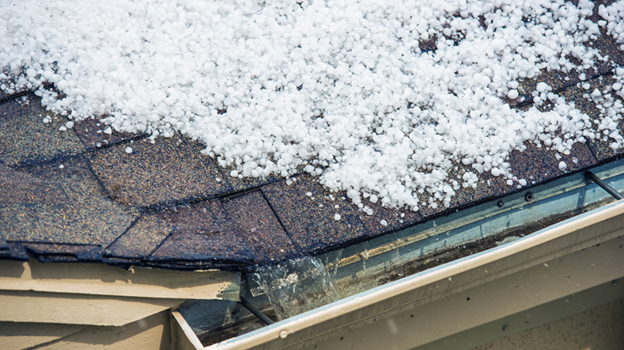
In Indianapolis, we are no strangers to the volatile nature of the weather. From the sudden, violent thunderstorms of the spring to the heavy, ice-laden winds of late autumn, the local climate can put an immense amount of stress on a home’s exterior. While we often focus on the obvious signs of storm damage—like a fallen tree limb or a missing shingle—the most significant threats are often the ones that quietly compromise the home’s ability to shed water.
A post-storm “walk-around” is an essential habit for any homeowner. By catching minor issues immediately after a weather event, you can prevent them from snowballing into expensive structural repairs. Here are seven critical areas every Indianapolis homeowner should check once the clouds clear.
1. Granule Loss and Shingle Integrity
After a heavy rain or hail event, take a look at your downspout extensions. If you see a pile of small, sand-like pebbles, these are asphalt granules from your shingles. These granules are the “sunscreen” for your roof; they protect the underlying bitumen from UV rays. Heavy storms can “scour” these granules off, leaving your roof vulnerable to cracking and leaking. If you see significant accumulation in your gutters or at the base of your downspouts, your roof’s lifespan may have just been shortened.
2. Gutter Alignment and “Sagging”
Indianapolis storms often bring high-velocity winds that can catch a gutter like a sail. This pressure can loosen the hidden hangers or spikes that secure the system to your home. Walk the perimeter of your house and look at the “line” of your gutters. They should be straight and slightly tilted toward the downspouts. If you notice a section that looks like it is sagging, or if there is a gap between the gutter and the roofline, the system is no longer effectively capturing water. This is a primary cause of rotted fascia boards.
3. Downspout Connectivity and Clearance
It is common for wind or heavy water flow to disconnected the “elbows” of a downspout or knock the extensions loose. If a downspout extension is disconnected, all the water from your roof is being dumped directly at the base of your foundation. This can lead to basement flooding and soil erosion in a matter of hours. Ensure every extension is firmly attached and directing water at least five to six feet away from your foundation walls.
4. Miter and Seam Separation
Most gutter systems have seams at the corners (miters) or along long runs. The expansion and contraction caused by rapid temperature changes—common in Indiana—can stress these joints. After a storm, look for “drip lines” on the ground directly beneath the corners of your house. If the ground is saturated or the mulch is displaced under a seam while the rest of the perimeter is dry, your sealant has likely failed. Because these leaks can be difficult to spot with the naked eye when dry, scheduling a professional gutter inspection near me is the most reliable way to ensure your seams are still watertight.
5. Siding and Trim Damage
Wind-driven rain can force moisture into the smallest cracks in your siding or around window trim. Look for “buckling” in vinyl siding or soft spots in wood trim. In Indianapolis, we also deal with “convection” storms that can blow rain horizontally. If you see water stains on your interior walls or ceiling after a storm that seems to have a “healthy” roof, the leak might actually be entering through a failed seal in your siding or a poorly flashed window.
6. Window and Door Seals
Check the “weep holes” in your window tracks. These are designed to let water out, but they often become clogged with debris during a storm. If water can’t exit the track, it will back up and seep into your drywall. Also, check the weatherstripping around your doors. If you can see light or feel a draft, it means driving rain can also find its way in. A quick wipe-down of these tracks after a storm can prevent mold growth and wood rot.
7. Foundation Perimeter and Pooling
The final step of your post-storm check should be at ground level. Walk the entire foundation and look for standing water. In our region, the soil contains a significant amount of clay, which does not drain as quickly as sandy soil. If water is pooling within three feet of your foundation, it is putting “hydrostatic pressure” on your basement walls. This pressure can cause basement walls to bow or crack over time. If you see pooling, it is a sign that your gutter system or your yard’s grading is failing to protect the “bones” of your home.
An Indianapolis home is a massive investment, and the weather is its primary adversary. While a quick visual check is a great first step, some damage—like hairline cracks in gutter sealant or internal shingle damage—requires a trained eye. By performing these seven checks after every major weather event, you stay ahead of the curve, ensuring that your home remains a dry, safe haven regardless of what the Indiana sky decides to do next.





Comments