
 By
By 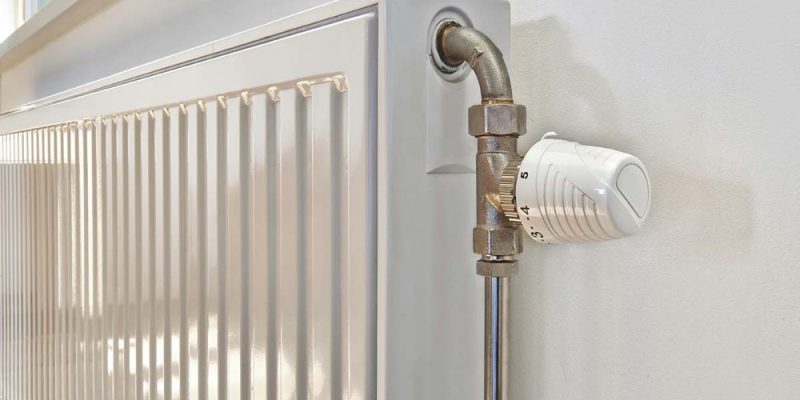
Getting the specifications right for your home’s warmth provision is a fundamental step. An accurately sized radiator is crucial for maintaining a consistent, comfortable temperature in every room.
This process ensures each space reaches its required design temperature efficiently. Proper heating element selection prevents energy waste and keeps running costs under control.
Understanding the necessary calculations empowers homeowners to optimise their entire setup. It transforms a basic installation into a tailored solution for maximum comfort and savings.
This comprehensive guide explores the systematic methodology behind effective system planning. It moves from essential measuring techniques to advanced considerations like BTU requirements and heat loss assessments.
Correctly matching the heat output to a room’s needs is the cornerstone of performance. It involves evaluating physical dimensions, pipe centre measurements, and the existing infrastructure.
A professional approach from the start prevents common issues. These problems include cold spots, excessive energy consumption, and the need for costly pipework modifications later on.
Key Takeaways
- Accurate sizing of radiators is essential for achieving uniform comfort and optimal efficiency throughout a property.
- The primary goal is to ensure every room meets its specific design temperature without wasting energy.
- Several factors must be considered, including required heat output, available space, and connection points.
- Correct sizing from the outset prevents inadequate heating, high fuel bills, and future installation headaches.
- This resource provides a structured approach, covering initial measurements through to complex heat loss calculations.
- Following a proven methodology safeguards your investment and enhances the overall performance of your home’s heating.
Introduction to Radiator Sizing and Pipework Measurements
Without accurate dimensions, even the most advanced radiator will fail to perform optimally. This section establishes the foundational principles, explaining why precision in every measurement is non-negotiable for a successful upgrade.
The Importance of Precision in Measurements
Minor errors in measurements can lead to significant complications. Misaligned pipe connections, potential water leaks, and costly remedial work are common consequences of inaccurate sizing.
Accurate radiator dimensions ensure the new unit fits seamlessly with the existing pipework. This eliminates the need for invasive plumbing alterations, saving both time and expense during the installation.
Furthermore, a precise fit is crucial for heating efficiency. Correct alignment enables optimal water flow and heat distribution throughout the room.
Overview of Key Concepts
Understanding fundamental terminology is essential. Key concepts include pipe centres (the distance between inlet and outlet valves), wall clearances, and the radiator’s own height and width.
These physical measurements directly relate to the unit’s heat output, often expressed in BTUs. Grasping this relationship is vital for selecting a radiator that meets both spatial and thermal needs.
This knowledge empowers homeowners to make informed decisions. It streamlines the installation process, helps avoid expensive mistakes, and ensures the system delivers intended performance from the start.
Essential Tools and Techniques for Accurate Measurements
Accurate sizing demands more than just a quick estimate. It requires a methodical approach with the correct equipment. The right tools transform guesswork into reliable dimensions, forming the blueprint for a seamless installation.
Without this foundation, even the best radiator can fail to fit or perform. Following clear steps with precision instruments safeguards the entire project.
Selecting the Right Measuring Tools
A common error is using a flimsy, flexible tape measure. These can sag or bend, giving false measurements. For reliable results, choose a rigid steel tape or a digital laser measure.
These devices provide straight, precise readings every time. A spirit level is also invaluable. It ensures your measurements aren’t skewed by an uneven floor or wall.
|
Tool |
Best Use |
Key Advantage |
|
Steel Tape Measure (3m+) |
General dimensions, pipe centres |
Rigid for straight lines |
|
Laser Measure |
Long distances, height checks |
High precision, single-operator use |
|
Spirit Level |
Checking surfaces for plumb |
Prevents misaligned fittings |
Before starting, crucial safety steps are non-negotiable. Ensure the heating system is switched off and completely cool. Clear furniture to access all pipe connections freely.
“Time spent in preparation is never wasted. It’s the difference between a smooth fit and a costly rework.”
When measuring, always take multiple readings to verify accuracy. Note each one down immediately. For radiators, measure from the exact centre of valve points, not the edges.
This attention to detail guarantees the new unit aligns perfectly with existing heating infrastructure.
Step-by-Step Guide to Measuring Radiator Dimensions
This practical guide walks you through the essential measurements needed to ensure your new radiator fits perfectly. Getting these dimensions right is a critical series of steps for any successful installation.
Measuring Width and Height
First, determine the unit’s physical size. To measure the width, place a tape measure across the furthest points from one side to the other. This includes any decorative end panels or fixings that extend beyond the main body.
For the height, measure from the very bottom of the radiator’s foot to its absolute highest point. Always check for overhead obstructions like windowsills to ensure adequate clearance in your chosen space.
Calculating Pipe Centres
The pipe centre is the distance between the inlet and outlet points. Locate these valves, typically at the base. For an accurate reading, measure from the exact middle of one pipe to the exact middle of the other.
Do not measure from the outer edges. You must also measure from the wall surface to the centre of each inlet. This tells you how far the existing pipework protrudes.
Record every figure immediately and double-check your work. These numbers form the blueprint for selecting compatible radiators.
Understanding Radiator Pipe Centres for a Flawless Fit
A flawless installation hinges on one critical, often misunderstood measurement: the pipe centres. This dimension dictates whether a new unit will connect seamlessly to your existing heating infrastructure.
Getting it right avoids costly plumbing alterations and ensures optimal water flow.
What Are Pipe Centres?
Pipe centre is the precise distance between the middle points of the two connecting pipes. It is typically measured at the inlet and outlet on the radiator base.
For standard models, this distance is usually 40mm to 50mm less than the unit’s total width. A 600mm wide radiator often has pipe centres around 550mm apart.
Common Pitfalls in Measurement
The most frequent error is not accounting for valves. They need adequate space to fit and operate. Using a flimsy tape measure can also cause inaccurate readings.
Another mistake is measuring from the pipe edges, not the exact centres. Always double-check your figures against the wall.
|
Common Pitfall |
Consequence |
Preventive Action |
|
Ignoring valve size |
Unit doesn’t fit; valves jam |
Measure full valve projection from the wall |
|
Using a flexible tape |
Sagging tape gives false reading |
Use a rigid steel tape or laser measure |
|
Measuring from pipe edges |
Incorrect centre calculation |
Find and mark the exact centre point |
|
Not verifying measurements |
Single reading may be wrong |
Measure at least twice, record each time |
Taking time to avoid these pitfalls guarantees a perfect fit. It protects your system and your investment.
Mastering Central Heating System Design: How to Size Radiators and Pipework Correctly
The art of achieving consistent comfort lies in a holistic view of your property’s thermal needs. This comprehensive design process forms the blueprint for an efficient, cost-effective heating system.
It begins with a crucial calculation: heat loss. Every room loses warmth through walls, windows, and doors. The required heat output, measured in BTUs or kilowatts, must counter this loss to maintain a set temperature.
Selecting the right radiator is a balancing act. Its physical size must fit the available room space. Its thermal output must meet or exceed the calculated demand.
Pipework size is equally vital. Adequate pipe diameters ensure sufficient water volume and flow reach each unit. This prevents pressure drops that cripple radiator performance and overall system efficiency.
A successful installation harmonises all components. The boiler, pipes, and radiators work together as one thermal circuit. For reliable comfort, experts advise choosing a radiator with a slight output margin above your room’s needs.
Calculating Heat Output and BTU Requirements
Selecting the perfect radiator hinges on one crucial technical step: calculating the room’s heat demand. This process determines the required heat output, measured in British Thermal Units (BTU) or kilowatts (kW).
Accurate figures ensure your chosen unit maintains a comfortable temperature efficiently.
Determining Room Heat Loss
The required output must counteract the heat loss from a space. This loss occurs through walls, windows, doors, and ceilings.
Key variables include room dimensions, the number and type of windows, insulation quality (U-values), and the temperature difference between inside and outside.
|
Factor |
High Heat Loss Example |
Low Heat Loss Example |
|
Windows |
Large, single-glazed |
Modern double-glazing |
|
Wall Insulation |
Solid, uninsulated brick |
Cavity wall with insulation |
|
Temperature Differential |
Targeting 21°C inside on a 0°C day |
Targeting 19°C inside on a 5°C day |
Lower U-values mean better insulation. They directly reduce the BTU requirement.
Practical Use of a BTU Calculator
Online BTU calculators simplify this complex maths. You input your room’s length, width, and height.
You also specify details like window count, wall type, and insulation levels. The calculator then provides the necessary heat output.
“A typical 4m x 5m lounge with two double-glazed windows and good insulation may need around 4,500 BTU. Always select a radiator with a slightly higher output for a comfort margin.”
Remember, 1 kW equals roughly 3,412 BTU. This conversion helps you compare different radiators confidently. Using a reliable BTU calculator is the best way to match heat supply to your room’s demand.
Key Factors Impacting Radiator Efficiency and Installation
Beyond the tape measure, several technical factors govern a radiator’s real-world performance. Understanding these elements is crucial for achieving optimal comfort and energy efficiency.
Insulation, Spacing and Room Layout
The quality of a room’s insulation directly affects heat loss. Poorly insulated walls and windows lose warmth rapidly, demanding larger or more powerful radiators.
Consider the gap between the wall and the unit. Adequate space behind it improves air circulation and maintenance access. Also, measure how far the radiator will project into the room.
This is vital in compact areas. Optimal positioning, such as beneath windows, counters the greatest heat loss points. It promotes even temperature distribution.
Material U-values and Heat Loss Considerations
Material U-values measure thermal resistance. A lower U-value means better insulation and less energy loss. These values directly determine the heat output your radiator must supply.
|
Building Element |
Typical U-value (W/m²K) |
Impact on Radiator Size |
|
Single-glazed window |
~5.0 |
High heat loss; larger radiator needed |
|
Double-glazed window |
~1.6 – 3.0 |
Moderate loss; standard models often suffice |
|
Solid, uninsulated wall |
~2.0 |
Significant loss; requires higher output |
|
Insulated cavity wall |
~0.3 |
Low loss; smaller radiator may be suitable |
Windows are often the weakest link. Upgrading glazing dramatically reduces the required water flow and radiator capacity. Informed choices here enhance overall installation efficiency.
Expert Tips from Abercorn Heating Ltd for Optimal Radiator Sizing
The evolution of home warmth solutions has moved far beyond the standard white metal box. Modern technology offers incredible choice in radiator size, shape, and type.
Professional guidance from Abercorn Heating Ltd simplifies this process. They advise starting with a full assessment of your existing heating system.
Measure current radiator dimensions and pipe centres. This check ensures a compatible new radiator choice.
Many older UK homes have radiators from a limited set of standard sizes. Knowing these simplifies direct replacement.
|
Common UK Radiator Size |
Typical Application |
|
400mm x 400mm |
Small rooms, bathrooms |
|
300mm x 100mm |
Low-profile spaces |
|
400mm x 1200mm |
Medium-sized bedrooms |
|
600mm x 1200mm |
Living rooms, larger areas |
|
600mm x 900mm |
Common hallway size |
Heat output varies significantly by type. This is denoted by a model number.
- Type 11 / K1: One panel. Basic output for well-insulated rooms.
- Type 21: Two panels, one convector. Good balance of heat and size.
- Type 22 / K2: Two panels, two convectors. Higher output from the same footprint.
- Type 33 / K3: Three panels, three convectors. Maximum heat for large, draughty spaces.
Today’s designer models come in vertical, horizontal, or column styles. While offering style, avoid oversizing.
An excessively large unit wastes space and can cause short-cycling. This hurts heating efficiency.
For a robust installation, select a radiator with a slight output margin above your calculated need. This future-proofs against colder spells or system changes.
Advanced Insights from Abercorn Heating for Enhanced Heating Performance
Advanced technical insights can significantly boost a heating system’s performance and energy savings. Experts at Abercorn Heating highlight the value of thermostatic radiator valves (TRVs).
These smart valves detect room temperature and regulate water flow automatically. This action saves energy and maintains comfort without waste.
Selecting the right radiator valves is crucial. Compatibility with your system and aesthetic appeal are both key factors.
Balancing the system ensures all radiators heat up evenly. Adjust the lockshield valves on each unit until they reach temperature simultaneously.
Bleeding radiators removes trapped air. This simple task improves efficiency and prevents cold spots.
|
Specialist Radiator Type |
Key Consideration |
Typical Pipe Centre Range |
|
Designer Radiators |
Aesthetic priority; pipe centres vary widely |
Highly variable |
|
Towel Rails |
For bathrooms/kitchens; narrow centres |
450mm – 500mm |
|
Column Radiators |
Traditional look; multi-column type |
Standard to custom |
Each type requires careful measurement during installation. This saves time and ensures a perfect fit for your home’s needs.
Conclusion
This systematic methodology ensures your heating investment delivers lasting performance and savings. Sizing radiators need not be a daunting task. Once accurate measurements and heat calculations are complete, homeowners can replace units without adjusting plumbing.
Following the outlined steps prevents costly mistakes. It avoids ill-fitting radiators and inefficient energy use. A holistic view integrates physical size, output needs, and home insulation.
This approach optimises your entire system for maximum comfort. It turns a technical process into a manageable project. Investing time in planning secures long-term efficiency.
Homeowners can proceed with confidence. A well-planned installation provides reliable warmth and lower bills for years. Your home will achieve optimal heating with minimal energy waste.
FAQ
How do I measure for a new radiator?
To measure for a replacement, you need the radiator’s width, height, and the pipe centres. Measure the width from one end to the other, and the height from the floor to the top. The pipe centres are the distance between the two inlet pipes on the wall. Accurate dimensions ensure your new model fits perfectly with existing pipework.
What is a BTU and why is it important for sizing?
A BTU, or British Thermal Unit, measures heat energy. Calculating the correct BTU requirement for a room is crucial. It ensures your chosen appliance provides enough warmth without wasting energy. Using an online BTU calculator that factors in room size, window area, and insulation levels gives the most accurate result for your heat output needs.
What’s the difference between a column radiator and a towel rail?
Column radiators are designed primarily for high heat output in living spaces, offering excellent warmth and a classic style. Towel rails, often found in bathrooms, provide gentle background heat and are perfect for drying towels. Their heat output is generally lower, so they are not typically used as the sole heat source in a room.
What are pipe centres and can I get them wrong?
Pipe centres refer to the distance between the centres of the two wall valves where the pipes connect. A common mistake is measuring from the outer edges of the valves instead of the centres. An incorrect measurement means the new unit won’t align, leading to costly adjustments during installation.
Should I choose thermostatic radiator valves?
Yes, fitting thermostatic radiator valves (TRVs) is highly recommended. They allow you to control the temperature in individual rooms, improving overall energy efficiency and comfort. This prevents overheating and can lead to significant savings on your heating bills over time.
When should I consult a professional heating designer?
It’s advisable to seek expert advice for whole-system designs, complex room layouts, or if you’re upgrading insulation. A professional from a company like Abercorn Heating Ltd can perform detailed heat loss calculations, advise on optimal radiator placement, and ensure pipework is correctly sized for maximum performance and efficiency.





Comments