
 By
By 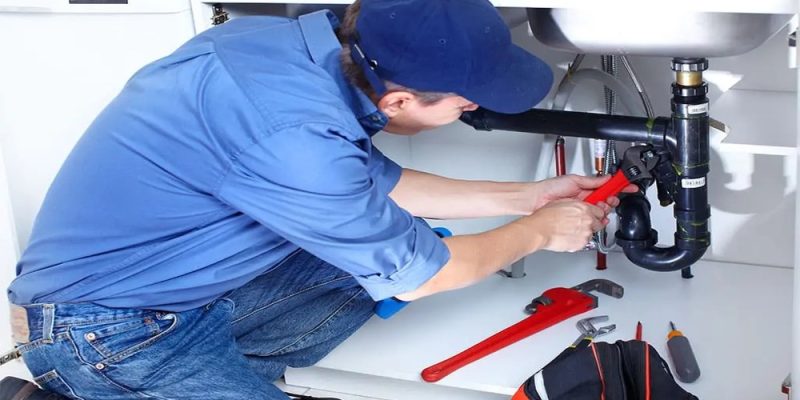
Pursuing a career in plumbing can be both rewarding and challenging, especially when it comes to obtaining a plumber license. For many aspiring professionals, the process may feel complex at first, with multiple requirements, forms, and exams to navigate. However, with the right guidance and a clear understanding of the steps involved, the journey becomes far more manageable.
This guide is designed to walk you through the essential requirements, the step-by-step application process, and practical ways to overcome common obstacles. By understanding each stage and preparing accordingly, you can move forward with confidence and build a strong foundation for your future in the plumbing industry.
Entering the plumbing profession requires more than just technical skill-it demands proper certification to establish credibility and ensure compliance with industry standards. While the process of obtaining a license may seem overwhelming, breaking it down into manageable steps can make it far less intimidating.
From meeting eligibility requirements to successfully completing the application and exam process, each stage plays an important role in shaping your career. Staying informed about regional regulations and maintaining a structured approach will help you navigate the journey more efficiently.
This guide provides practical insights to support you at every stage, helping you streamline your path to becoming a licensed plumber.
Understanding the Basic Requirements for a Plumber License
Before beginning the application process, it’s important to understand the foundational requirements needed to qualify for a plumbing license. While these may vary depending on your location, several common criteria apply in most regions.
Applicants are typically required to be at least 18 years old. A high school diploma or equivalent is usually necessary, and in some cases, additional technical training may be required. Work experience is another key factor, often involving several years of apprenticeship or hands-on training under a licensed professional.
Examinations are also a standard requirement. These tests evaluate your knowledge of plumbing systems, safety practices, and local codes. In some areas, a background check may be part of the process as well.
It’s essential to research the specific requirements in your region, as they can differ significantly. Some areas issue licenses at a local level, while others require statewide certification. Understanding these variations will help you avoid confusion and stay on track.
Following the Step-by-Step Application Process
Once you meet the basic requirements, the next step is to complete the application process. Taking a structured approach can make this stage much more manageable.
Begin by gathering all necessary documentation, including proof of age, education, and work experience. This may involve collecting certificates, apprenticeship records, and other supporting materials. Keeping these documents organized will help prevent delays.
Next, complete the application form provided by your local licensing authority. Accuracy is crucial, as errors or incomplete information can result in setbacks. Carefully review your application before submission to ensure everything is correct.
After submitting your application and paying the required fees, you will typically be notified when it’s time to schedule your exam. Preparing thoroughly for this step is essential, as it plays a major role in determining your eligibility.
On the day of the exam, arrive early and bring all required identification. Staying calm and focused will help you perform at your best. Once you pass, you will receive your license, allowing you to begin working as a certified professional.
Maintaining your license is equally important. This may involve renewing it periodically and completing any required continuing education to stay up to date with industry standards.
Troubleshooting Common Challenges During the Process
It’s normal to encounter challenges along the way, but understanding how to address them can make a significant difference in your progress.
Missing documentation is a common issue that can delay your application. To avoid this, carefully review all requirements and ensure that your paperwork is complete before submission.
If your application is denied, take the time to understand the reasons behind the decision. This may involve insufficient experience or other unmet requirements. Addressing these issues thoroughly will improve your chances when reapplying.
Exam preparation can also be a hurdle for many applicants. Joining a study group or enrolling in a preparatory course can provide valuable support and increase your confidence.
Delays in processing are another potential challenge. If your application takes longer than expected, reaching out to the licensing authority for updates can help clarify the situation and keep things moving forward.
Renewal issues may arise if requirements are not met on time. Staying informed about renewal deadlines and completing any necessary education will help you maintain your license without complications.
In some cases, financial documentation may also be required to demonstrate stability and responsibility. Ensuring that these records are accurate and up to date is an important part of the process.
Conclusion
Earning a plumber license is an important milestone that requires preparation, persistence, and attention to detail. By understanding the requirements, following a clear application process, and addressing challenges proactively, you can navigate this journey with greater confidence.
This process is not just about meeting regulatory standards-it is about building a credible and rewarding career in a skilled trade. With dedication and the right approach, you can overcome obstacles and achieve your professional goals.
As you move forward, remember that each step brings you closer to becoming a licensed professional. With the proper knowledge and commitment, you can establish a successful career and make a meaningful impact in the plumbing industry.




Comments