
 By
By 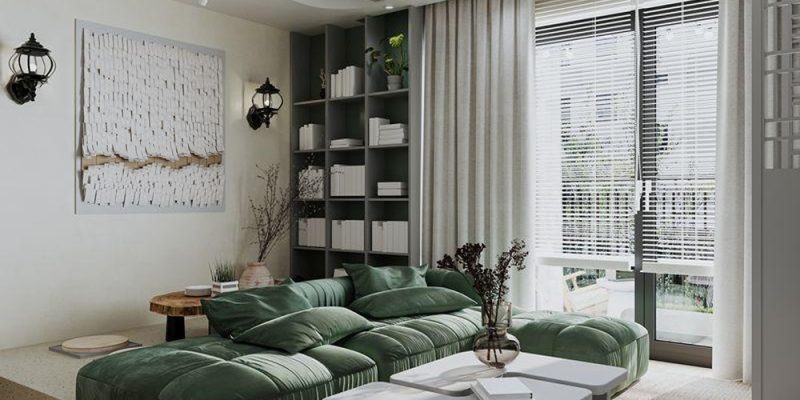
Improving comfort at home does not always require structural changes or additional square metres. Many households face spatial limits, yet daily routines still demand efficiency, clarity, and ease of movement. The most effective improvements often come from rethinking how space works rather than expanding it. Well-considered living space design ideas focus on behaviour, flow, and usability. They make rooms feel calmer, easier to maintain, and more supportive of everyday life.
The following four ideas address common spatial frustrations directly. Each approach prioritises comfort while respecting existing floor boundaries, making them suitable for apartments, HDB flats, and compact landed homes alike.
1. Reconfigure Layouts Around Daily Movement
Comfort improves when movement feels natural. Poor layouts force people to walk around furniture, double back, or squeeze through narrow paths. Reworking the layout does not mean replacing everything. It means observing how the room is actually used from morning to night.
Start by identifying clear walking paths. Seating, tables, and shelves should support movement rather than interrupt it. A sofa pushed slightly away from a wall can open circulation space behind it. Dining chairs that tuck fully under the table reduce visual and physical clutter. Side tables placed where hands naturally reach remove the need for stretching or leaning.
Effective living space design ideas prioritise flow over symmetry. Rooms do not need to look perfectly balanced to feel comfortable. They need to respond to real habits, such as where shoes come off, where bags land, or where people pause to talk.
2. Introduce Furniture With More Than One Role
Single-purpose furniture consumes space quickly. Multi-functional pieces reduce visual bulk while increasing usability. This approach works best when functions are intentional, not forced.
Consider storage benches near entrances. They offer seating while hiding daily clutter. Coffee tables with concealed compartments keep surfaces clear without adding cabinets. Fold-down desks support work needs while preserving living areas once tasks end. Beds with integrated drawers remove the need for extra wardrobes in tight bedrooms.
The key lies in restraint. Too many transforming elements can overwhelm a room. Select a few pieces that genuinely support daily routines. The strongest living space design ideas simplify rather than complicate. When furniture earns its place by serving multiple needs, rooms feel calmer and easier to live in.
ALSO READ: Why Scandinavian Furniture Is Perfect For Small Singapore Homes
3. Shift Storage From Floor Level to Vertical Zones
Clutter often accumulates because storage competes with living space at eye level. Moving storage upward frees floor area and improves visual order. Walls, corners, and even ceiling-adjacent zones offer untapped potential.
Tall shelving units draw the eye upward, creating a sense of height. Wall-mounted cabinets keep essentials accessible without blocking movement. Hooks and rails support flexible storage for frequently used items. Open shelves work well when limited to curated items rather than daily clutter.
Vertical storage succeeds when it remains intentional. Avoid filling every wall. Leave breathing space between units to prevent heaviness. Thoughtful living space design ideas balance storage needs with visual calm.
4. Use Light, Colour, and Texture to Reduce Visual Weight
Comfort is not only physical. Visual strain affects how spaces feel over time. Heavy colours, sharp contrasts, and inconsistent textures create fatigue in compact interiors. Softening visual weight improves long-term comfort without altering layouts.
Lighter colour palettes reflect light and reduce shadows. Neutral tones allow furniture and features to blend rather than compete. This does not mean avoiding colour entirely. Controlled accents introduce personality without overwhelming the space. Textures should feel consistent. Mixing too many finishes fragments attention and makes rooms feel smaller.
Natural light plays a central role. Keep window areas clear. Use sheer treatments that allow daylight to travel deeper into the room. Good living space design ideas treat light as a material, shaping comfort throughout the day. Spaces support rest and focus more effectively when the visual environment feels settled.
Bringing It All Together
Comfort emerges when layout, furniture, storage, and visual balance work together. No single change delivers lasting improvement on its own. The most successful living space design ideas respond to daily habits while respecting spatial limits. They remove friction, reduce clutter, and support calm routines.
Small adjustments accumulate. A clearer walkway, smarter storage, or softer visual cues can transform how a space feels from morning to night. Comfort grows not from expansion but from intention.
If you are looking for practical, well-considered ways to improve comfort without increasing floor area, explore more ideas with Living Comforts. Visit Living Comforts for interior space design ideas and décor tips that help homes work better every day.




Comments