
 By
By 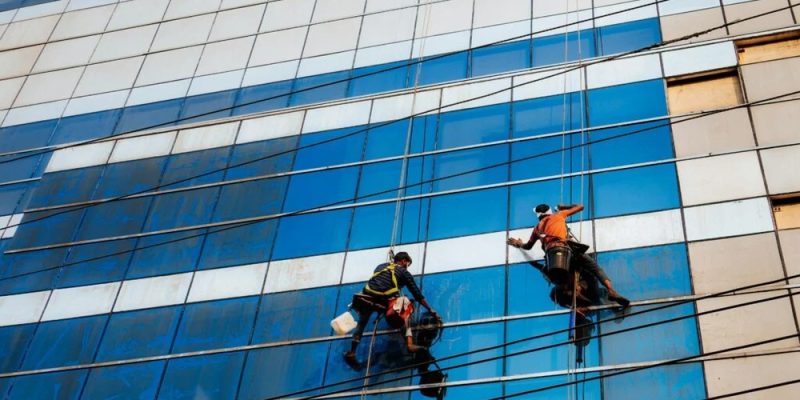
The practice of cleaning facade surfaces in Singapore’s dense urban environment represents far more than routine maintenance; it embodies a collective commitment to shared spaces, public dignity, and the implicit social contract that binds communities together in one of the world’s most densely populated nations. When we allow buildings to deteriorate, when grime accumulates unchecked on the structures that house our workplaces, homes, and civic institutions, we signal something troubling about our priorities and our respect for the commons. Conversely, the decision to invest in proper building maintenance speaks to values that transcend mere aesthetics, touching on questions of environmental stewardship, worker safety, and the kind of society we aspire to create.
Why Building Exteriors Matter
Walk through any neighbourhood in Singapore and you can gauge its vitality partly through the condition of its building facades. Clean, well-maintained exteriors communicate that residents and property managers care about their surroundings, that they see themselves as part of a larger community responsible for maintaining standards that benefit everyone. This isn’t superficial concern; research demonstrates that neglected built environments correlate with decreased civic engagement and diminished community cohesion.
Facade cleaning addresses both immediate aesthetic concerns and longer-term structural integrity. Pollutants, biological growth, and environmental deposits don’t merely obscure a building’s appearance; they actively degrade construction materials. In Singapore’s tropical climate, the combination of high humidity, intense sunlight, and periodic heavy rainfall accelerates deterioration. What begins as a cosmetic issue transforms into structural vulnerability, ultimately threatening the safety of occupants and the economic value of properties.
The Environmental Dimension
Singapore has positioned itself as a regional leader in environmental sustainability, and building facade maintenance increasingly reflects this commitment. Traditional cleaning methods relied heavily on harsh chemicals and excessive water consumption, introducing pollutants into drainage systems and contributing to resource depletion. Today’s best practices demonstrate that environmental responsibility and effective cleaning need not be mutually exclusive goals.
Progressive facade cleaning services in Singapore have adopted approaches that include:
- Environmentally certified cleaning solutions that biodegrade safely
- Pure water technology that reduces chemical dependency
- Water recycling systems that minimise consumption
- Targeted application methods that prevent runoff contamination
- Timing strategies that work with rather than against natural weather patterns
These innovations matter not because they represent fashionable trends but because they acknowledge our obligations to future generations. Every decision about building maintenance either contributes to or detracts from the kind of world we leave behind.
The People Behind the Work
Any honest discussion of cleaning building facades must centre the workers who perform this demanding, often dangerous labour. These individuals scale Singapore’s towers, suspended hundreds of metres above ground, executing meticulous work that most of us would find terrifying. They deserve more than our passing notice; they merit comprehensive safety protections, fair compensation, and recognition of their essential contributions to urban infrastructure.
Singapore’s regulatory framework for high-rise facade cleaning services establishes minimum safety standards, yet compliance varies. Strong enforcement remains crucial, as does cultivating an industry culture where safety isn’t treated as a regulatory burden but as a moral imperative. When we hire facade cleaning services, we implicitly accept responsibility for ensuring that workers return home safely to their families.
Material-Specific Approaches
Different building materials demand tailored cleaning strategies, reflecting the complexity of modern architecture. Glass curtain walls require techniques that prevent streaking whilst avoiding abrasive damage. Stone facades need pH-balanced treatments that won’t compromise sealants or promote salt migration. Metal panels demand approaches that remove oxidation without degrading protective coatings.
Understanding these distinctions separates professional facade maintenance from superficial cosmetic treatments. Improper cleaning can cause irreversible damage, accelerating rather than preventing deterioration. This technical knowledge, accumulated through training and experience, represents genuine expertise that property managers should value and compensate appropriately.
The Cost-Benefit Calculation
Property owners sometimes view facade cleaning as a discretionary expense, deferring maintenance during economic uncertainty. This short-term thinking often proves economically counterproductive. Regular cleaning prevents damage that necessitates far more expensive repairs or premature replacement. Well-maintained facades preserve property values, reduce long-term maintenance costs, and avoid the reputational damage associated with neglected buildings.
Moreover, the broader economic implications extend beyond individual properties. Building maintenance supports employment, sustains specialised industries, and contributes to Singapore’s reputation as a well-managed, attractive destination for investment and tourism. The cumulative effect of thousands of individual maintenance decisions shapes perceptions of the entire nation.
Health and Wellbeing Connections
The relationship between building cleanliness and occupant health deserves greater attention. Facade contaminants don’t remain isolated on exterior surfaces; biological growth and pollutant deposits affect indoor air quality, particularly when ventilation systems draw outside air. Regular building exterior cleaning reduces allergen accumulation and limits pathogen reservoirs that can compromise occupant health.
A Collective Responsibility
The appearance and condition of our built environment reflects our collective values more accurately than any mission statement or public relations campaign. When we prioritise facade cleaning, we affirm that shared spaces matter, that environmental responsibility is non-negotiable, and that the workers who maintain our cities deserve respect and protection.
Conclusion
Singapore’s gleaming towers and well-maintained streetscapes didn’t emerge by accident; they result from sustained commitments to standards and systems that prioritise building maintenance. As climate challenges intensify and urban populations grow, the importance of proper facade cleaning will only increase. These aren’t merely technical or aesthetic questions but fundamental choices about the kind of society we build, the environment we protect, and the dignity we afford to work and workers. Ultimately, decisions about cleaning facade surfaces reveal what we truly value and who we aspire to be as a community.




Comments